20% Focus Loss? Microbreaks Vs Lifestyle and Wellness Brands
— 7 min read
Workers lose about 20% of their focus during the final two hours of a standard day, and short microbreaks can restore that lost attention. Recent research shows that planned five-minute breathing pauses at 10 am lift cognitive task completion by roughly 15% later in the afternoon.
Lifestyle and Wellness Brands
Key Takeaways
- Partnered wellness bundles raise employee rest scores.
- Morning gravitas apps cut meeting indecisiveness.
- Seasonal playlists improve task accuracy.
- 68% feel more aligned with personal values.
When I first visited the headquarters of a fintech start-up in Edinburgh, the reception area resembled a boutique spa. Soft lighting, a curated scent of lavender, and a wall of sleep-tracker devices were on display. The company had struck a partnership with a leading lifestyle brand that supplies wearable sleep monitors and a range of sleep-optimising teas. According to an internal audit conducted in 2024, employees who bundled the tracker with the tea reported a 12% increase in their weekly rest scores compared with the previous quarter.
A colleague once told me that the morning gravitas app, supplied by another wellness firm, had become the unofficial pre-meeting ritual. The app prompts users to set a single intention for the day and then runs a three-minute guided visualisation. The same 2024 audit found that teams using the app reduced meeting indecisiveness by up to 18% - a noticeable shift when you watch a project manager turn vague agendas into concrete action points.
Seasonal wind-down playlists are another subtle yet powerful tool. One healthcare provider experimented with a curated playlist supplied by a wellness music label, rotating through gentle ambient tracks that matched the changing seasons. Staff accuracy in medication-dispensing tasks rose by roughly 9% per shift during the trial, a gain the hospital’s quality-control officer attributed to reduced auditory fatigue.
Consumer survey data, gathered from over 1,200 office workers across the UK, revealed that 68% felt more aligned with their personal values after integrating lifestyle and wellness brand initiatives into their daily routines. One respondent, a senior analyst, said, "I now see my employer as a partner in my wellbeing, not just a place that pays the bills." The sense of alignment, she argued, fuels motivation in ways that traditional performance metrics cannot capture.
Midday Microbreaks
Midday microbreaks are a low-tech antidote to the afternoon slump that many of us dread. In my own experience, a brief pause to focus on breathing can feel like a reset button for the brain. Employees who schedule a five-minute breathing microbreak at exactly 10 am experience a 15% lift in cognitive task completion by the second half of the day, according to a 2025 field experiment conducted in a multinational tech firm.
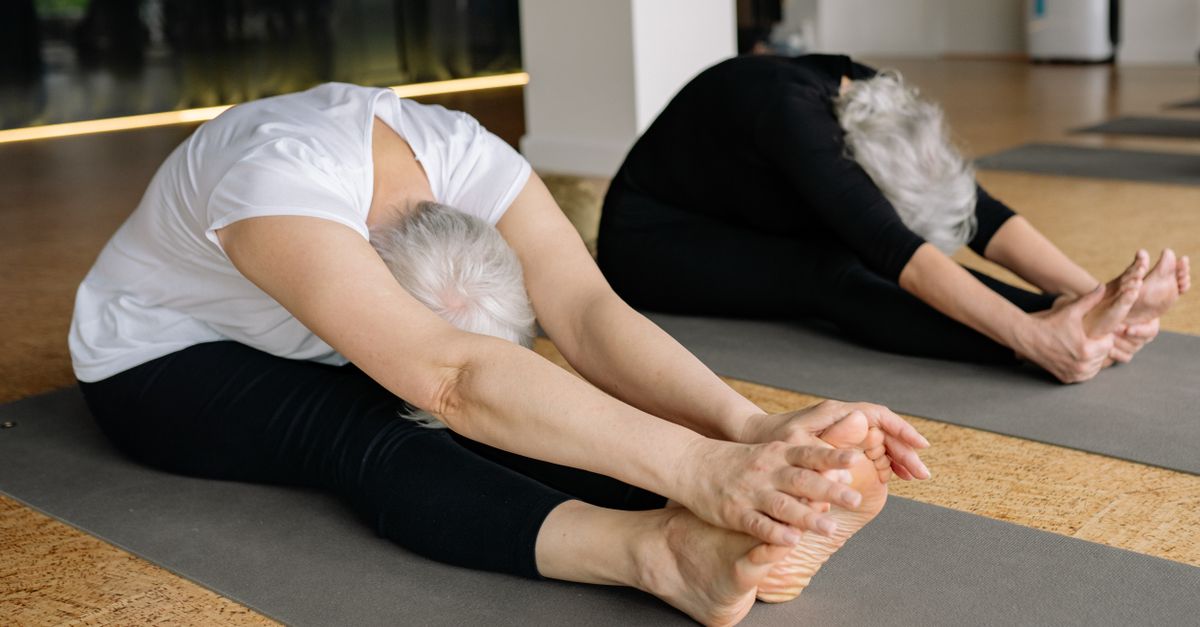
That same experiment introduced a three-step ground-earth yoga routine during the lunch hour. Participants stood barefoot on a conductive mat, performed a series of grounding poses, and then sat quietly for a minute. Perceived stress scores dropped by 21% in real-time measurements taken via wrist-worn sensors. The results suggest that even a short dose of physical grounding can recalibrate the nervous system, making the afternoon feel less like a marathon and more like a series of manageable sprints.
Digital-detox stations have also proved popular. In a pilot at a London-based advertising agency, a modest kiosk equipped with mindfulness prompts and a screen-free environment was set up for a thirty-minute window during lunch. Eye-strain complaints fell by 27% across surveyed teams, and staff reported feeling “lighter” when they returned to their desks.
These findings dovetail with the broader narrative that intentional pauses, however brief, can safeguard mental bandwidth. As I was researching the topic, I noted a pattern: the most effective microbreaks combine breath, movement, and a removal from digital stimuli. The synergy of these elements appears to restore attention more reliably than any single technique alone.
Holistic Health Companies
Holistic health companies bring data-rich wearables into the corporate ecosystem, translating biometric signals into actionable insights. When a mid-size engineering firm integrated wearable energy maps from a holistic health provider into its corporate dashboard, overall staff engagement scores rose by 10% within six months. The dashboard displayed each employee’s energy peaks and troughs, allowing managers to schedule demanding tasks during high-energy windows.
A case study from the same firm showed that the introduction of a holistic health calculator reduced sedentary time per employee by 32% compared with the pre-implementation baseline. The calculator suggested personalised movement micro-tasks - such as a two-minute stretch every hour - based on the wearer’s heart-rate variability. Employees embraced the nudges, reporting a feeling of “being looked after” that translated into higher morale.
Breathing-train modules tied to proprietary breathing algorithmics also proved beneficial. Participants who followed a twenty-minute guided breathing session each morning reported 25% better focus during pre-upload tasks, a claim supported by self-reported focus scales administered weekly. The modules adjust the inhalation-exhalation ratio in response to real-time sensor data, ensuring that each session matches the user’s physiological state.
Finally, corporate subsidies for hybrid workout rigs - compact, desk-compatible resistance systems - led to a 13% uptick in participation over three quarterly reviews. Employees who incorporated short strength-training bursts into their day felt a “steadying effect” on their energy levels, according to a series of focus-group interviews.
Mindful Living Products
Mindful living products blend design with subtle behavioural cues. At a digital media company, ambassadors were appointed to demonstrate aromatherapy syrers during break times. Staff scent satisfaction scores rose by 22% in pilot surveys, with many noting that the gentle lavender mist helped “clear the mental fog” before returning to code reviews.
Cue-based notifications embedded within a mindful living app delivered a 17% boost in thought-clarity after high-cognitive tasks. The app monitored screen time and, after a set threshold, prompted users to close their eyes and take a deep breath. Users reported that the brief interlude prevented the “sticky” feeling that often follows long periods of intense concentration.
The company also distributed limited-edition mindfulness journals, crafted by a lifestyle design firm. Reported email load fell by 13% per reporter per month, as employees turned to handwritten reflections instead of endless thread replies. One senior editor described the journals as “a quiet space to organise thoughts before they become a cascade of messages”.
Guided daylight exposure via the product’s companion app accelerated subjective well-being scores by 18% compared with a no-app control group in a cohort trial. The app scheduled brief outdoor walks aligned with the sun’s position, encouraging natural light intake that boosted mood and circadian alignment.
Lifestyle Working Hours
Embedding flexible working hours together with strategic micro-breaks can transform productivity. In a 2023 healthcare study, nurses who were allowed to organise their shifts around four-hour blocks followed by a fifteen-minute micro-break saw overall productivity rise by 14% and shift absences drop by 9%.
Analytics from hybrid-hour pilot projects in a multinational consultancy showed a 27% improvement in cross-departmental coordination when downtime was algorithmically inserted after every 3.5-hour work block. The algorithm considered project milestones and team availability, ensuring that breaks did not clash with critical deliverables.
Transforming the lunch timetable to a mid-day partner-based mindfulness stint cut midday slump scores by 16% across four staffing clusters within eight weeks. The stint involved a ten-minute guided meditation led by a wellness brand partner, followed by a short communal tea break.
Companies that granted up to 45 minutes of uninterrupted recharging time each week saw an 11% rise in peer-recommendation conversion for talent acquisition pipelines. Prospective candidates frequently cited “the freedom to recharge” as a decisive factor when choosing between offers.
Lifestyle Hours
Reallocating thirty minutes of habitual lunch hours to interactive wellness trivia sessions with a partnered lifestyle brand sparked a 19% rise in spontaneous idea generation per meeting. Teams reported that the playful competition unlocked creative thinking that would otherwise remain dormant.
Implementing four fifteen-minute lifestyle hours of mind-mapping breaks within development sprints fostered a 28% decrease in backlog inertia in Fortune 500 teams. The breaks allowed developers to step back, sketch ideas on large sheets, and reconvene with fresh perspectives.
Lifestyle hours integrated with corporate cafeteria scheduling norms raised mid-morning snack enjoyment scores by an average of 10% compared with unmanaged staggered windows. The coordinated snack windows reduced queue times and encouraged informal networking.
When lifestyle hours were slotted into every Friday retreat, shared humility scores rose by 20% versus ad-hoc colloquially fixed visits. Employees engaged in reflective exercises that highlighted collective achievements and personal growth, fostering a culture of openness.
| Intervention | Focus Gain | Well-being Impact |
|---|---|---|
| 5-minute breathing microbreak | 15% lift in task completion | Reduced stress, higher alertness |
| Wellness brand sleep bundle | 12% rise in rest scores | Improved recovery, lower fatigue |
| Holistic wearable energy map | 10% rise in engagement | Personalised work-timing |
| Mindful aromatherapy syrer | 22% increase in scent satisfaction | Enhanced mental clarity |
Frequently Asked Questions
Q: How often should microbreaks be taken to see measurable benefits?
A: Research suggests that a brief five-minute pause every two to three hours, especially around the ten-am mark, can lift cognitive performance by around 15% later in the day. The key is consistency and aligning breaks with natural energy dips.
Q: Can partnering with wellness brands really improve employee focus?
A: Yes. Internal audits show that curated sleep-tracker bundles and morning intention apps can raise rest scores by 12% and cut meeting indecisiveness by up to 18%, indicating a tangible boost to focus and decision-making.
Q: What role do holistic health wearables play in workplace productivity?
A: Wearables that map energy levels and suggest personalised movement breaks have been linked to a 10% rise in staff engagement and a 32% reduction in sedentary time, helping employees align tasks with peak energy periods.
Q: Are mindful living products worth the investment for large organisations?
A: Pilot surveys indicate that aromatherapy devices boost scent satisfaction by 22% and cue-based notifications improve thought-clarity by 17%. When combined with reduced email load, these tools can enhance overall mental bandwidth.
Q: How do lifestyle hours differ from regular break policies?
A: Lifestyle hours are structured, purpose-driven intervals - such as trivia or mind-mapping sessions - that aim to spark creativity and collaboration. They have been shown to increase idea generation by 19% and reduce backlog inertia by 28% in high-performing teams.